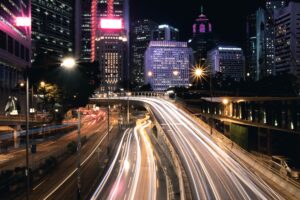
New York City’s skyline has welcomed a striking new addition: the new JP Morgan building. More than just an architectural marvel, this building represents a significant shift in the corporate and political landscape of the city and the financial sector at large. As JP Morgan continues to expand and consolidate its influence, this new headquarters is a symbol of the evolving ties between Wall Street and government policies.
Understanding the new JP Morgan building in NYC sheds light on how global finance firms anchor themselves physically and strategically in the urban fabric. With ongoing debates about big banks’ roles in economic regulations and social responsibility, the building’s presence is a statement that reaches far beyond aesthetics.
Overview of the New JP Morgan Building
Modern Architecture Meets Corporate Ambition
The new JP Morgan building in NYC is more than just office space. It blends cutting-edge design with environmental sustainability, featuring green spaces, energy-efficient materials, and smart building technology. These innovations underscore JP Morgan’s commitment not only to finance but also to corporate responsibility. Wikipedia
Located strategically in Manhattan’s financial district, the building’s accessibility and stature reinforce JP Morgan’s role as a global financial leader. Its towering silhouette reshapes the city’s iconic skyline, signaling the institution’s ongoing growth and ambition.
Investment in Infrastructure Reflecting Financial Stability
JP Morgan’s investment in this new building is a tangible sign of confidence in the future of New York City as a world financial hub. Amid political uncertainties and changing economic policies, putting resources into such a large-scale infrastructure project sends a message of long-term stability and influence.
The Political Dimensions of JP Morgan’s Expansion
Big Banks and Government Relations
The construction of the new JP Morgan building in NYC comes at a time when the relationship between major financial institutions and government regulators is under intense scrutiny. Policymakers debate banking reforms and regulations aimed at curbing risk and increasing transparency. Latest Novo Nordisk News: Navigating the Political Landscape of Healthcare Innovation
JP Morgan’s physical expansion reflects continued efforts to remain central in conversations that shape economic policy. By situating itself prominently in New York, the firm asserts its role not only as a financial powerhouse but also as a political actor influencing regulatory frameworks.
Lobbying and Influence in the Financial Sector
Large financial firms like JP Morgan spend significant resources on lobbying efforts to shape legislation favorable to their interests. The new building doubles as an epicenter for these strategic operations, housing teams that collaborate closely with lawmakers and regulators.
This dynamic raises important questions about the balance of power in financial regulations and the transparency of corporate influence over public policy. The new JP Morgan building is a physical manifestation of these ongoing debates.
Economic Impact on New York City
Job Creation and Local Economy Boost
One of the most immediate effects of the new JP Morgan building is its impact on employment. The facility has created thousands of jobs, from construction to administrative positions. This influx contributes to local economic vitality.
Moreover, the presence of such a large corporate headquarters attracts ancillary businesses like restaurants, retail, and professional services, further invigorating the neighborhood.
Urban Development and Real Estate Trends
The new JP Morgan building also influences urban development trends in Manhattan. Its construction has spurred interest in nearby real estate, driving up property values and inspiring new projects.
This development dynamic presents challenges and opportunities, particularly regarding affordable housing and the risk of gentrification in adjacent neighborhoods. Policymakers and city planners must balance economic growth with equitable urban development.
Future Prospects: What Comes Next?
Innovation and Sustainable Finance
JP Morgan has signaled intentions to integrate innovative financial products and sustainability initiatives within its new headquarters. The building’s infrastructure supports green finance efforts, aligning corporate practices with global climate goals.
This forward-looking approach can influence other financial institutions and reshape industry standards, making the building a hub for sustainable finance innovation.
Shaping New York’s Political Landscape
As JP Morgan consolidates its presence in NYC with the new building, it will likely play a larger role in local and national politics. From participating in policy discussions to advocating economic strategies, the firm’s influence will shape decisions affecting both financial markets and everyday citizens.
In an era where the interplay of finance and politics is more complex than ever, the new JP Morgan building stands as a key landmark in understanding these evolving dynamics.
FAQ
What is special about the new JP Morgan building in NYC?
The building combines modern architectural design with sustainable features and serves as a symbol of JP Morgan’s expansion and influence in finance and politics.
How does the new building impact New York City’s economy?
It has created thousands of jobs, attracted related businesses, and boosted real estate development in the surrounding area. Nerds Gummy Clusters: The Unexpected Political Candy Debate
Why does JP Morgan’s physical presence matter politically?
The building consolidates JP Morgan’s role in shaping financial regulations and government policies through lobbying and engagement with policymakers.
Does the new building include any sustainability initiatives?
Yes, it incorporates green technologies and supports the company’s commitment to sustainable finance and reducing its environmental footprint.
What challenges does the new building pose for the local community?
It may contribute to rising property values and gentrification pressures, requiring careful urban planning to ensure inclusive growth.