In today’s fast-paced world, the ability to work remotely from home has transformed the way many people live and manage their daily routines. For athletes and sports enthusiasts, this shift offers unique opportunities to balance training, recovery, and professional commitments more effectively than ever before. Dogs That Are Ugly: Celebrating Unique Charm in the Canine World
The intersection of remote work and sports performance is an emerging topic. As more sports professionals adapt to flexible work environments, understanding how to maximize productivity and maintain peak physical condition while working remotely is critical.
This article explores how working remotely from home can positively impact sports performance and offers practical tips to create a healthy balance between work life and athletic goals.
The Rise of Remote Work in the Sports World
Remote work isn’t just for office jobs anymore. Coaches, trainers, sports analysts, and sometimes athletes themselves are embracing working remotely from home. This trend has enabled them to maintain professional roles while dedicating time to their fitness regimes or recovery programs.
Flexibility to Prioritize Training
One major benefit of working remotely from home is flexibility. Without a fixed office schedule, athletes can structure their day around training sessions, physiotherapy, or recovery routines.
This flexibility allows for better energy management, attention to nutrition, and in many cases, more consistent and focused workouts.
Reduced Stress and Commute Time
Eliminating a daily commute frees up hours each week. This additional time can be reallocated to physical conditioning or rest, both crucial for sports performance.
Moreover, reduced commute-related stress contributes to improved mental focus, enhancing overall athletic productivity and wellbeing.
Designing a Home Workspace to Support Physical Health
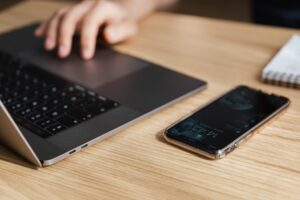
Working remotely from home requires careful workspace planning, especially for athletes who need to stay physically active and avoid sedentary habits.
Ergonomics Matter
Setting up an ergonomic home office can prevent injuries and muscle strain that hurt sports performance. Consider adjustable chairs, desks, and screen positioning to maintain good posture during work hours.
Incorporate Movement Breaks
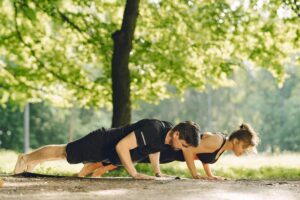
Short, frequent breaks to stretch or perform light exercises can counteract the negative effects of prolonged sitting. Setting timers to prompt movement breaks can help maintain circulation and muscle flexibility.
Balancing Training and Remote Work Responsibilities
Finding the right daily rhythm when working remotely from home is key to combining sports training and professional tasks effectively.
Time Blocking for Work and Workouts
Organize your day by blocking specific hours for work tasks and dedicated training periods. This helps prevent overlap and ensures both areas receive adequate attention.
Leverage Technology for Accountability
Using fitness trackers, workout apps, or virtual coaching tools can help keep you accountable both professionally and athletically. Many people working remotely find these tools motivate them to maintain discipline in both arenas.
Nutrition and Recovery in a Home-Based Routine
Working remotely from home also influences how athletes manage nutrition and recovery — aspects just as important as training itself. ESPN
Control Over Meal Preparation
Having a kitchen close by means athletes can prepare healthy, personalized meals instead of relying on takeout. Meal prepping becomes easier, facilitating a consistent diet aligned with fitness goals.
Improved Sleep Hygiene
With flexible schedules, athletes can better prioritize sleep. This is vital for recovery and performance. Limiting late-night work hours helps maintain consistent sleep patterns.
Social Interaction and Mental Health While Working Remotely
One challenge of working remotely from home is the potential for social isolation — a factor that can negatively affect motivation and mental wellbeing for athletes.
Stay Connected with Teammates and Coaches
Regular video calls or online group chats can mimic team camaraderie and provide social support, crucial for mental toughness in sports.
Mental Training and Mindfulness
Remote work environments offer opportunities to embrace mindfulness and meditation practices. These techniques help reduce anxiety and improve focus, both key for athletic success.
Final Thoughts: Is Remote Work a Game Changer for Sports Professionals?
Working remotely from home can be a significant advantage for athletes and those closely linked to the sports world. The flexibility it offers helps optimize training schedules, improves rest and nutrition, and can even enhance mental health.
However, it demands discipline, structured routines, and intentional efforts to maintain physical activity and social connections. When properly managed, the remote work lifestyle can support high-level sports performance in unprecedented ways.
FAQ
Can working remotely from home improve athletic performance?
Yes. Remote work provides flexibility that can be used to prioritize training, recovery, and nutrition, all of which can enhance athletic performance.
What are the main challenges athletes face when working remotely?
Common challenges include potential social isolation, maintaining motivation, and avoiding sedentary habits that can hurt physical health.
How can athletes stay active during long work hours at home?
Incorporating regular movement breaks, using standing desks, and scheduling workouts around work commitments help maintain activity levels.
Does remote work help with sports recovery?
Yes. Being at home allows better control over sleep, nutrition, and rest periods, all critical for effective recovery. Nicholas Carr on How Smartphones Hijack Our Minds: The Impact on Sports and Focus
How can athletes manage mental health while working remotely?
Staying connected with team members virtually, practicing mindfulness, and balancing work with physical activity are effective ways to support mental wellbeing.